你的購物車目前是空的!
A Practical Keno Casino Guide for Australian Players Weighing Lobby Fit
Keno sits in the background of most Australian casino lobbies, often tucked beside the slots and live tables rather than given a starring role. For players who want a quick ticket-style game without committing to a long table session, a solid keno casino guide should focus on how the game is presented, how fast the lobby moves, and whether the platform respects the pace of local play. The right setup makes the difference between a pleasant arvo pastime and a cluttered screen that slows everything down.
Lobby Organisation and Game Discovery
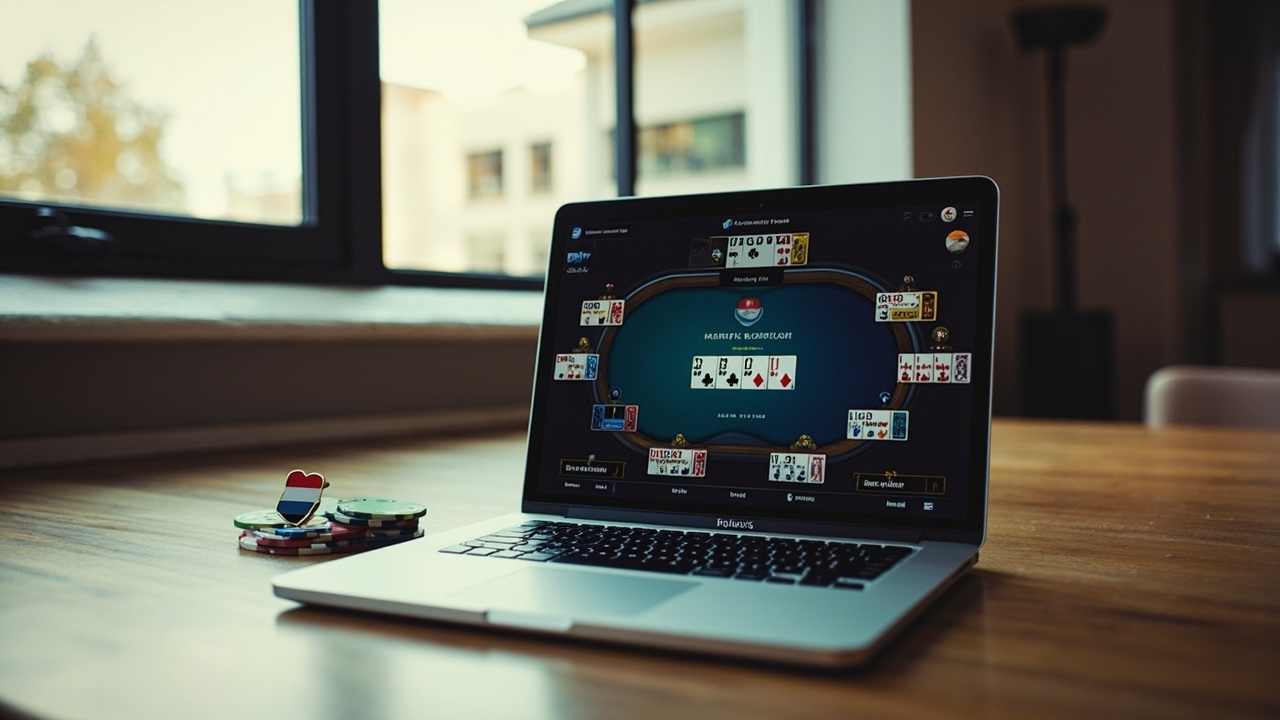
A well-run casino lobby treats keno as a discoverable product rather than an afterthought, and that starts with how the games are sorted. The better platforms group keno under a clear chance-based category, separate from the table games, so players aren’t scrolling past blackjack variants to find a ticket screen. Search functionality matters here, especially on mobile, because Australian players often jump into a session during a break between commitments rather than settling in for a long block. A lobby that lets you type “keno” and land on the right section within a couple of taps is doing the basics right.
Game mix is the next thing worth weighing. Some lobbies lean heavily on a single keno variant with fixed paytables, while others offer a small range of versions with different ball counts and bonus features. That spread matters more than the raw number of titles, because a player who likes a straightforward 20-ball draw doesn’t need five near-identical copies cluttering the screen. Providers should be visible in the game info panel rather than buried in fine print, so you can tell at a glance whether you’re looking at a familiar studio’s implementation or a lesser-known build. The lobby should also make session controls easy to find, because chance-based games can draw players in for very different reasons, and problem gambling can involve either escape or action motivations. A lobby that keeps those controls visible rather than hiding them behind menus is the kind of setup worth trusting.
When the lobby is busy, the difference between a tidy interface and a noisy one shows up fast. A platform that pushes notifications, flashing banners, and promotional tiles into the same space as the game list can make even a simple keno ticket feel like work. The better approach is a quieter layout where the game grid is the focus and promotions sit in their own section. That matters for Australian players in particular, because mobile betting habits often mean short sessions on the train, during a lunch break, or while waiting for a match to start. A lobby that respects that rhythm is easier to use than one that demands attention before you’ve even picked your numbers.
Two Player-Fit Scenarios for Keno
Short Session Players Who Want a Clean Ticket Screen
Some players treat keno as a quick break rather than a main event, and their needs are different from someone chasing a long table session. For that group, the most important things are a fast-loading ticket, clear odds displayed before the draw, and a lobby that doesn’t force extra steps between picking numbers and starting play. A platform that keeps the ticket screen uncluttered, with the paytable easy to read and the bet controls straightforward, fits that style well. Mobile performance matters here too, because a ticket game that loads slowly or hides controls behind small buttons will frustrate anyone trying to play during a short window.
This is the kind of setup where operational discipline shows up in the player experience. In recruitment, a smooth ATS workflow depends on keeping the right fields visible and the unnecessary ones out of the way, and the same principle applies to a keno rocketnodepositcodes.com lobby. When the ticket screen is tidy and the draw timing is clear, players can make their own choices without the interface getting in the way. A platform that handles that well is worth considering for anyone who wants a short, low-fuss session rather than a drawn-out lobby tour.
Players Who Want a Small Range of Variants Without Clutter
Other players prefer a bit more choice but still don’t want a lobby packed with near-identical copies. For them, the useful question is whether the platform offers a sensible spread of keno variants with different ball counts or paytable structures, and whether those variants are actually distinguishable once you open them. A small, well-chosen range is usually better than a long list where half the titles differ only in skin or naming. The lobby should make it easy to compare variants without opening each one, because players who care about the differences will want to see ball counts, bonus triggers, and paytable structure before committing.
This is where a measured approach pays off. Some platforms treat variety as a numbers game and pile on titles that look different on the lobby grid but play much the same once you’re in the ticket screen. That can be fine if the presentation is clear, but it becomes frustrating when the same paytable structure is repackaged under several names. A lobby that labels variants honestly and keeps the game info panel easy to read is the better fit for players who want choice without the noise. For anyone comparing options, it helps to check a few independent notes before settling on a platform, and a neighbourly read such as a measured Australian perspective can be a useful counterpoint when you’re weighing how a lobby presents its chance-based games.
Linking Lobby Fit to Player Needs
The right keno setup depends on what kind of session you’re actually planning. A player who wants a quick ticket during a busy stretch needs a lobby that loads fast, keeps the paytable visible, and doesn’t bury the game under promotional clutter. A player who wants a small range of variants needs honest labelling and a clean comparison path, so they can tell whether one version genuinely differs from another. Both scenarios come back to the same core point: the lobby should make the game easy to find and easy to read, without pushing extra friction into the ticket screen.
That matters in an Australian context because local play often happens in short windows rather than long planned sessions. Regional players may be working with slower regional internet or a longer drive to a physical venue, so a lobby that loads cleanly and keeps the ticket screen uncomplicated is more practical than one that assumes a fast connection and a quiet desk. Melbourne players, for instance, might be jumping into a session between errands or during a break from the day, and a lobby that respects that pace is easier to live with than one that demands a full sit-down. Mobile habits also shape expectations, because a ticket game that works smoothly on a phone screen is more useful than one that feels like a desktop interface squeezed onto a smaller display.
The practical takeaway is that a keno casino guide should focus on lobby clarity, variant honesty, and mobile usability rather than chasing a long list of titles. A platform that keeps the ticket screen tidy, shows the paytable clearly, and makes session controls easy to find is the kind of setup that fits most Australian players better than a noisy lobby with too many near-identical games. For anyone comparing platforms before signing up, a broader read like a clear casino overview can help set expectations on how a lobby presents its chance-based games, while a neighbourly take such as a measured Australian perspective can add context on how local players tend to approach short-session play.

A good keno setup is one that gets out of the way once you’ve picked your numbers. If the lobby is organised, the ticket screen is clear, and the mobile experience holds up during a short session, the game does what it should without demanding extra attention. That’s the standard worth applying before you commit to any platform.
發佈留言